
- Looks good, and an honest all-rounder
- Pleasant to drive
- Would happily recommend one to those after a no-nonsense EV
- Unknown pricing
- Not the best interior quality or space
- The Chinese rivals are coming thick n fast
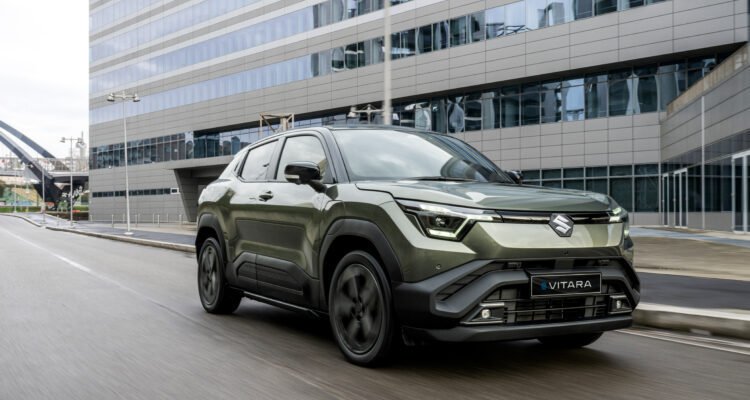
The eVitara is Suzuki’s first proper step into the electric car market, and it feels exactly how you would expect a Suzuki EV to feel. Instead of chasing bold design trends or filling the cabin with oversized screens, Suzuki has focused on the basics. The styling is neat, there are straightforward controls inside, and it’s been built to be super easy to use every day. This is an electric SUV that prioritises familiarity over flash, and it feels more like a normal car than a rolling tech exercise, and there’s even some hidden DNA and input from a very large car manufacturer. Nice.
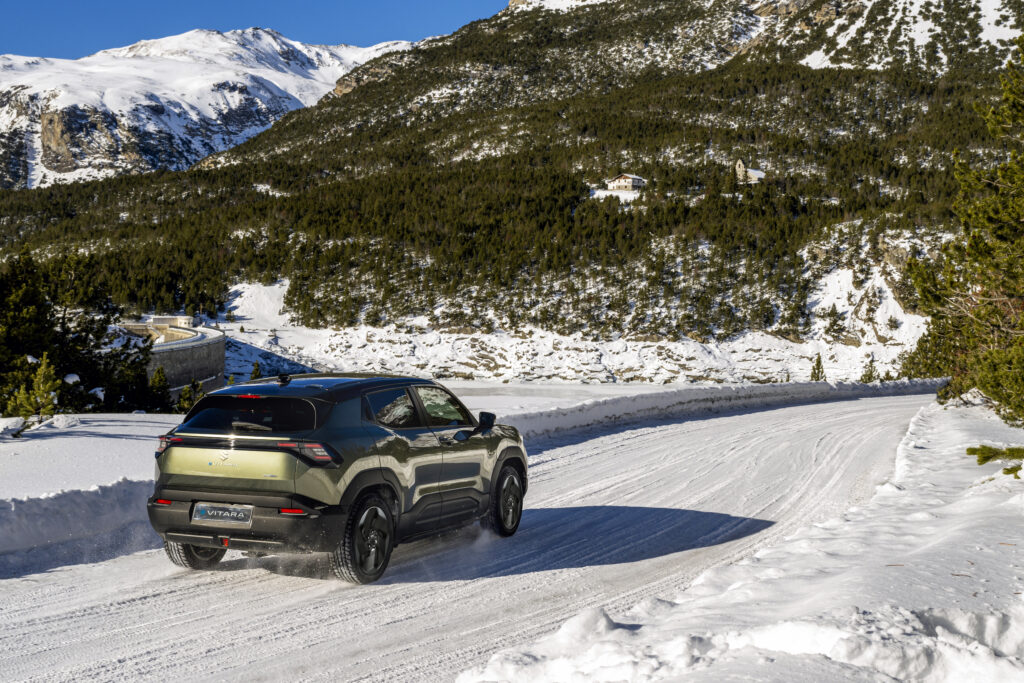
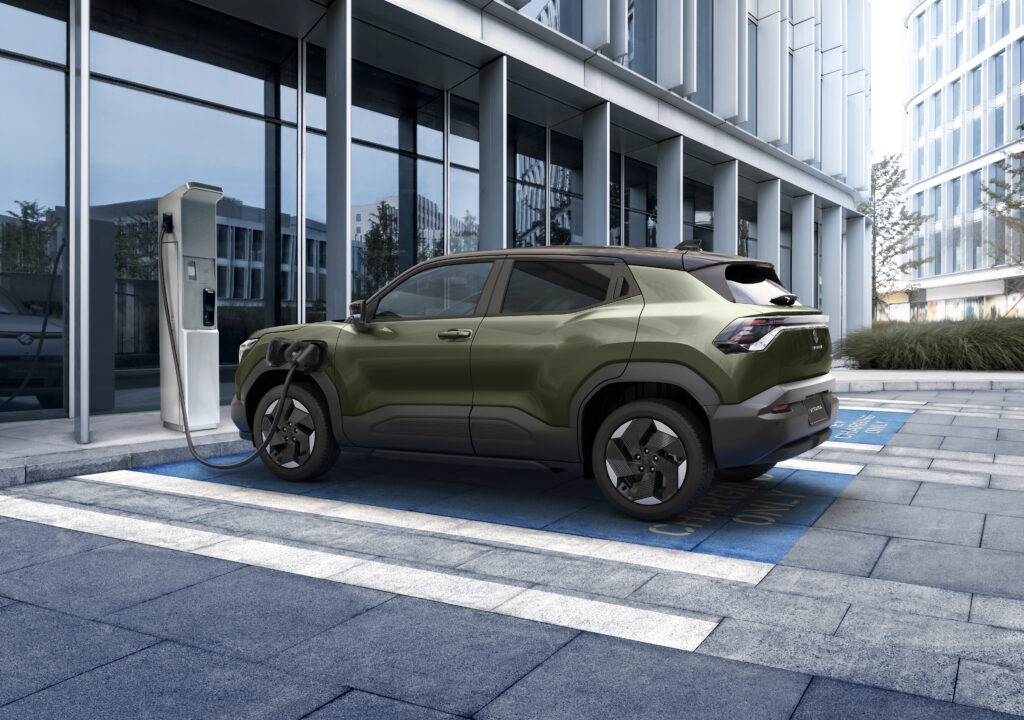
In a world of soaring petrol prices, this no-nonsense approach could work in the eVitara’s favour, especially for buyers who find many modern EVs overly complex or disconnected. With Australian pricing, warranty coverage and servicing details yet to be confirmed, it remains unclear just how competitive the eVitara will be when it lands in an increasingly crowded EV market.
2026 Suzuki eVitara Key Specs:
2026 Suzuki eVitara at a glance:
Price: TBC
Available: Q2 2026
Powertrain: Single permanent magnet synchronous motor
Output: 193kW/307Nm
Transmission: Single-speed reduction gear
Battery: 61kWh lithium-ion
Range: 395km (WLTP)
Energy consumption: Unknown
Safety rating: Not tested
2026 Suzuki eVitara Pricing and Standard Equipment
That is a question I cannot fully answer yet, largely because Suzuki has not confirmed Australian pricing for the eVitara. Even at the model’s local launch event, pricing details remained off the table, which is an unusual move.
While it is not entirely unprecedented for a brand to reveal a new model while pricing discussions are still ongoing, it does make forming a complete verdict more difficult. Value is a critical part of any EV conversation, and without a sticker price, a key piece of the puzzle is missing.

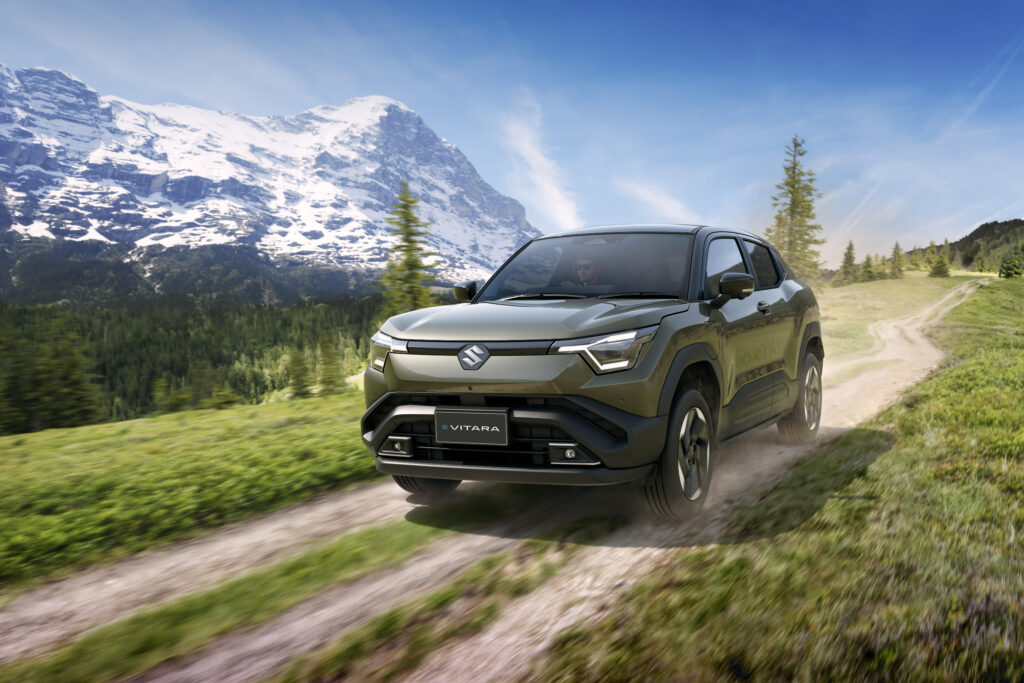
What Suzuki has locked in are the eVitara’s technical specifications and equipment levels. As with the current Vitara Hybrid, the electric range will be offered in two variants.
The entry-level eVitara Motion uses a 49kWh battery driving the front wheels and is claimed to offer up to 344km of driving range. Standard equipment includes 18-inch alloy wheels, automatic headlights, rain-sensing wipers, selectable drive modes and a 360-degree camera.
Inside, the Motion features a 10.25-inch digital instrument display paired with a 10.1-inch central touchscreen with Apple CarPlay and Android Auto. There is also a leather-wrapped steering wheel, single-zone climate control, ambient lighting, fabric trim and a four‑speaker sound system.
Moving to the eVitara Ultra brings a larger 61kWh battery, lifting the claimed driving range to 395km. The flagship variant also adds all-wheel drive via Suzuki’s ALLGRIP‑e system.

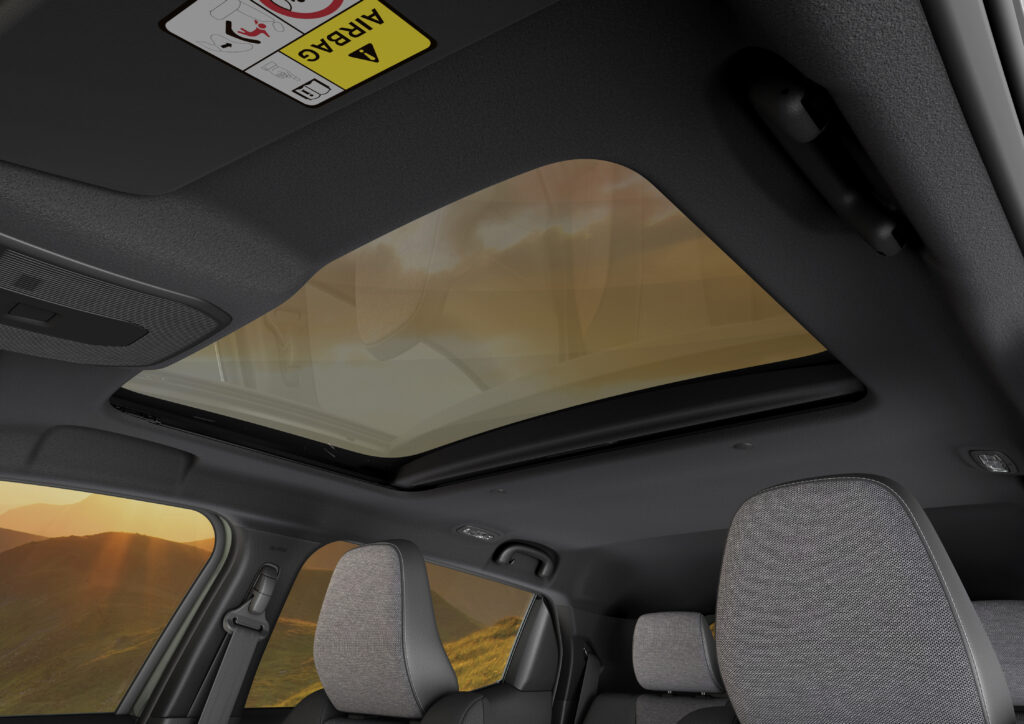
The Ultra gains adaptive high beam, front LED fog lights, a panoramic sunroof, wireless phone charging and an Infinity by Harman sound system with a subwoofer. It also adds an electrically adjustable driver’s seat, heated front seats, and upgraded fabric and synthetic leather upholstery.
Both variants are supplied with a tyre repair kit rather than a spare wheel.
Safety equipment is generous across the range, with seven airbags, adaptive cruise control, autonomous emergency braking, lane keep assist with departure prevention, forward collision warning and blind‑spot monitoring. Rear cross‑traffic alert and front and rear parking sensors are also standard.
The eVitara has received a four‑star Euro NCAP safety rating. Whether that result will carry over once the car is assessed by ANCAP in Australia is yet to be confirmed, although Suzuki is confident it will.
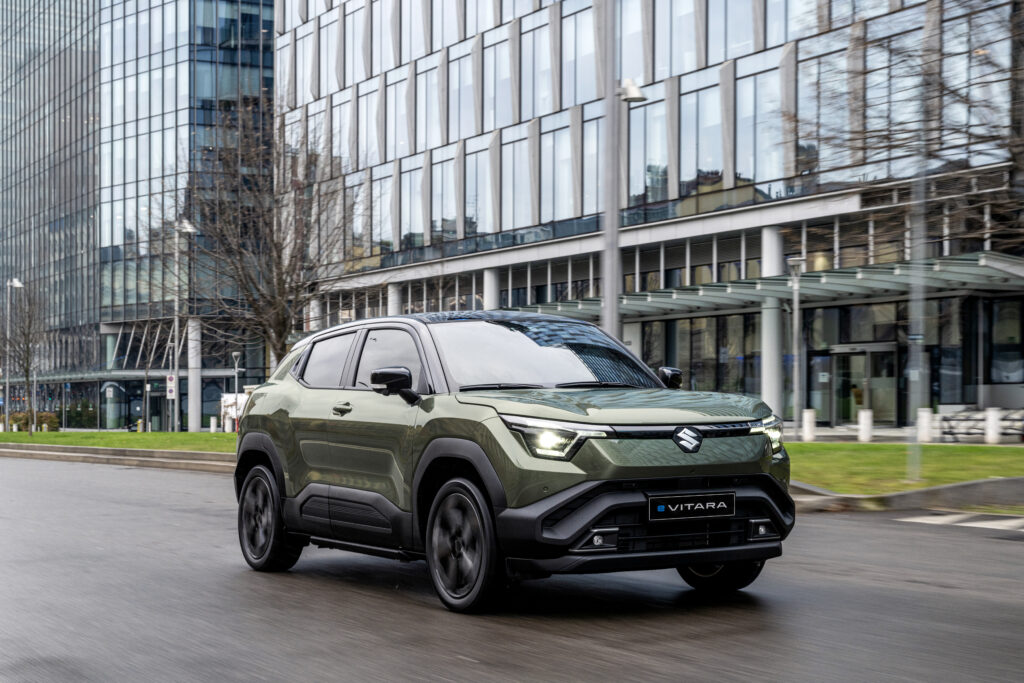
Five exterior colours will be offered, including the hero shade Land Breeze Green, which proved the most popular on the launch floor. Details around any paint surcharges remain unannounced.
Warranty and servicing details, or maintenance information specific to the EV powertrain, have not yet been confirmed. Suzuki says those details will be finalised closer to the eVitara’s Australian on‑sale date.
What’s good about the 2026 Suzuki eVitara?
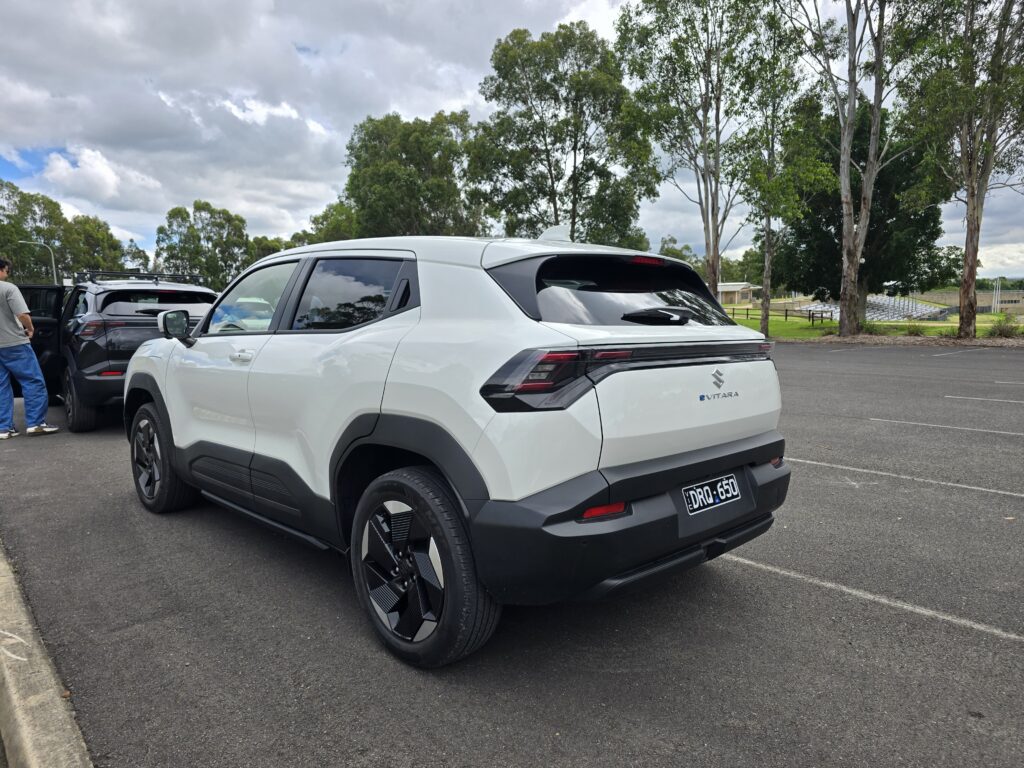
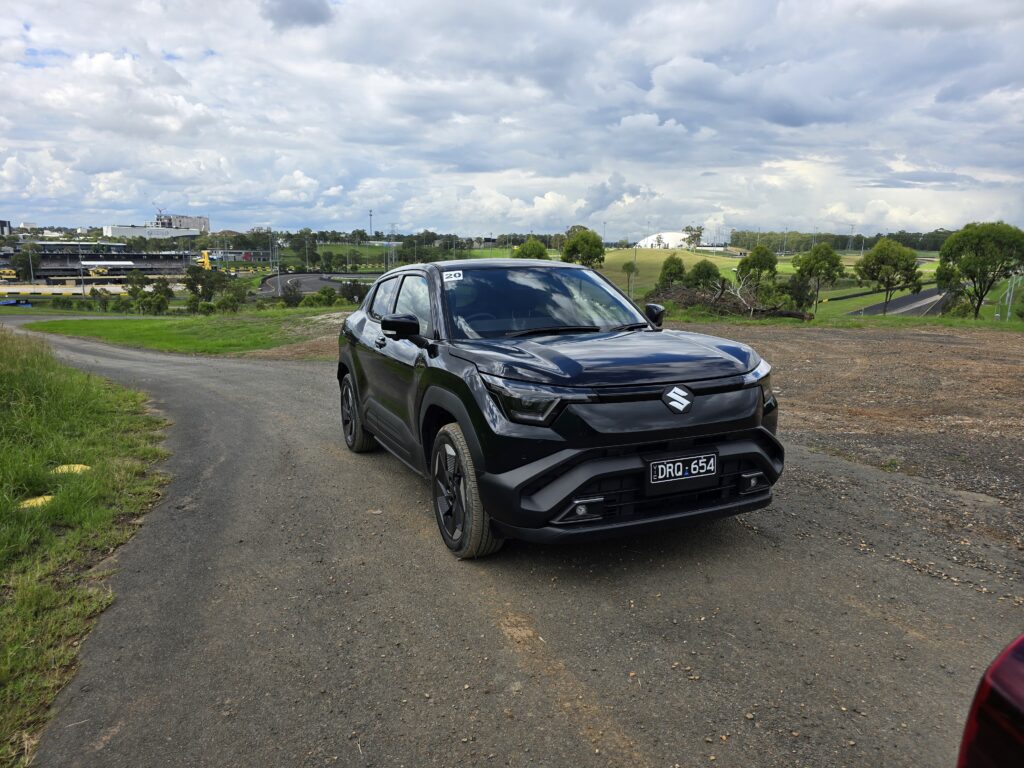
One of the first things you notice about the 2026 Suzuki eVitara is its design. In a segment crowded with EVs chasing futuristic looks, Suzuki has taken a deliberately more familiar path.
The sharp body lines and chunky proportions give the eVitara a solid, muscular stance. Suzuki says the shape was inspired by a crouching cheetah, and while that might sound ambitious, the car does carry a sense of tension and purpose. The star‑shaped alloy wheels are another smart touch and help give the eVitara a visual point of difference.

On the road, the eVitara immediately feels approachable. The steering is light, particularly at low speeds, which makes it easy to manoeuvre and well suited to the urban role most electric SUVs are likely to play.
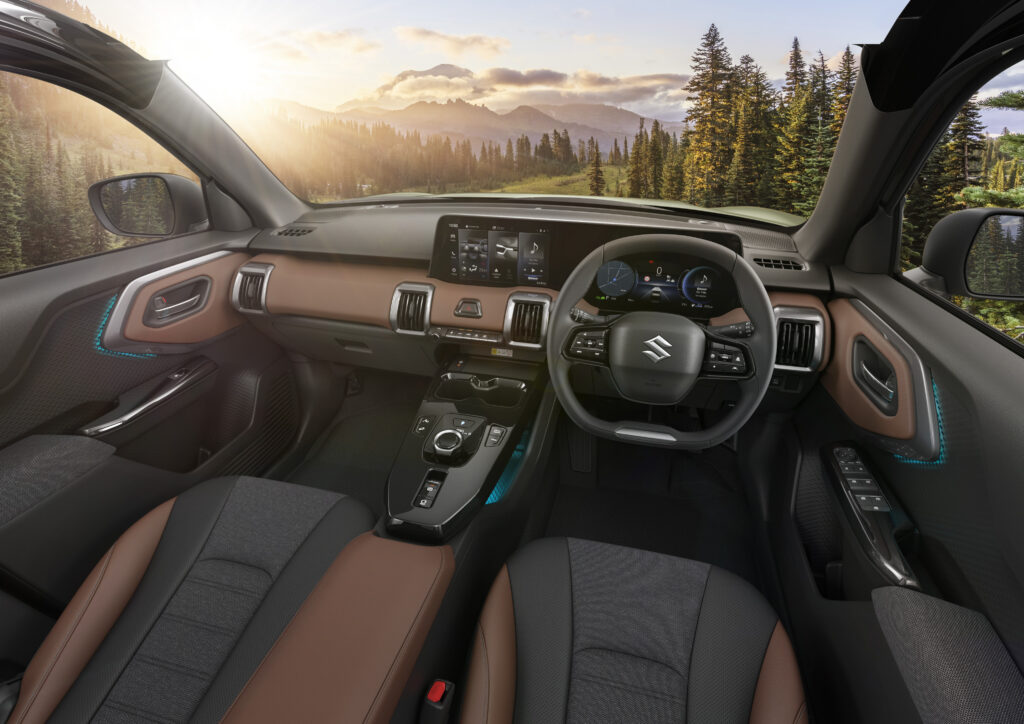
Inside, Suzuki has resisted the temptation to over‑digitise. Physical air‑conditioning controls remain, there are proper door handles, and most of the cabin feels reassuringly conventional. It is a clear departure from the screen‑first, button‑free approach seen in many new EVs, and one that puts usability ahead of novelty.
The interior design itself leans more rugged than many electric rivals. Chunky shapes and details like the silver‑trimmed air vents give the cabin a slightly utilitarian edge. The two‑tone tan interior also stands out in a segment dominated by black trim. It will not suit every buyer, but it is distinctive and adds some character.
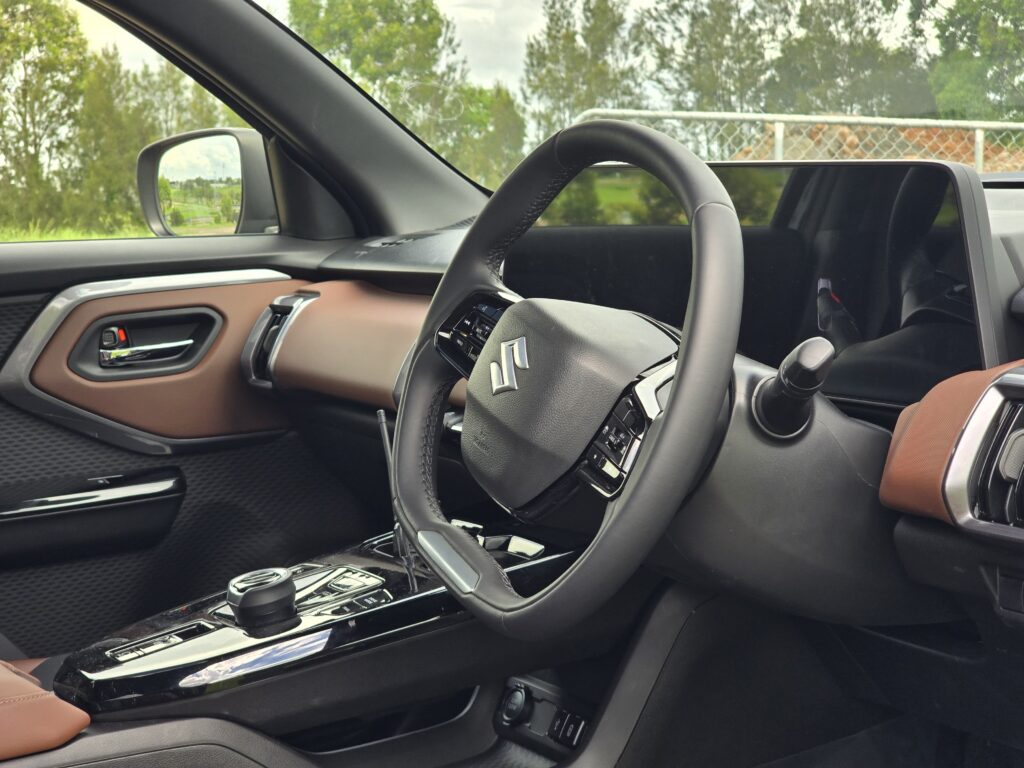

Elements like the floating centre console help bring a more modern feel to the cabin and move it away from the dated presentation of the hybrid Vitara.
Ergonomics have also been given some thought, particularly when it comes to the screens. In some vehicles, the digital instrument display can be partially obscured by the steering wheel, something I have previously experienced in the Toyota bZ4X. Suzuki avoids that issue by positioning the display slightly lower, keeping it clearly within the driver’s line of sight. From the passenger seat it looks odd, with unused space above the display, but from behind the wheel it makes practical sense.
A few components are shared with Toyota, including the circular gear selector. It is one of the more obvious EV‑style elements in the cabin, but it is intuitive and easy to use once familiar.
Finally, if the eVitara’s four‑star Euro NCAP rating carries over to Australia, it would represent Suzuki’s strongest safety performance to date. With the vehicle built in India, like the Fronx which attracted scrutiny over its safety credentials, that result could play an important role in strengthening Suzuki’s safety reputation locally.
What’s not so good about the 2026 Suzuki eVitara?
One of the biggest unknowns surrounding the eVitara is pricing. Suzuki chose not to confirm Australian figures at the launch, which makes it difficult to properly judge where the car sits in an increasingly competitive electric SUV market.
Range may also prove to be a sticking point, depending on where pricing eventually lands. The entry‑level eVitara claims a driving range of 344km, but in real‑world conditions that figure is likely closer to 300km. That is acceptable on its own, but it places the eVitara in the same space as smaller and cheaper rivals such as the BYD Atto 2, which claims similar range while starting at $31,990.
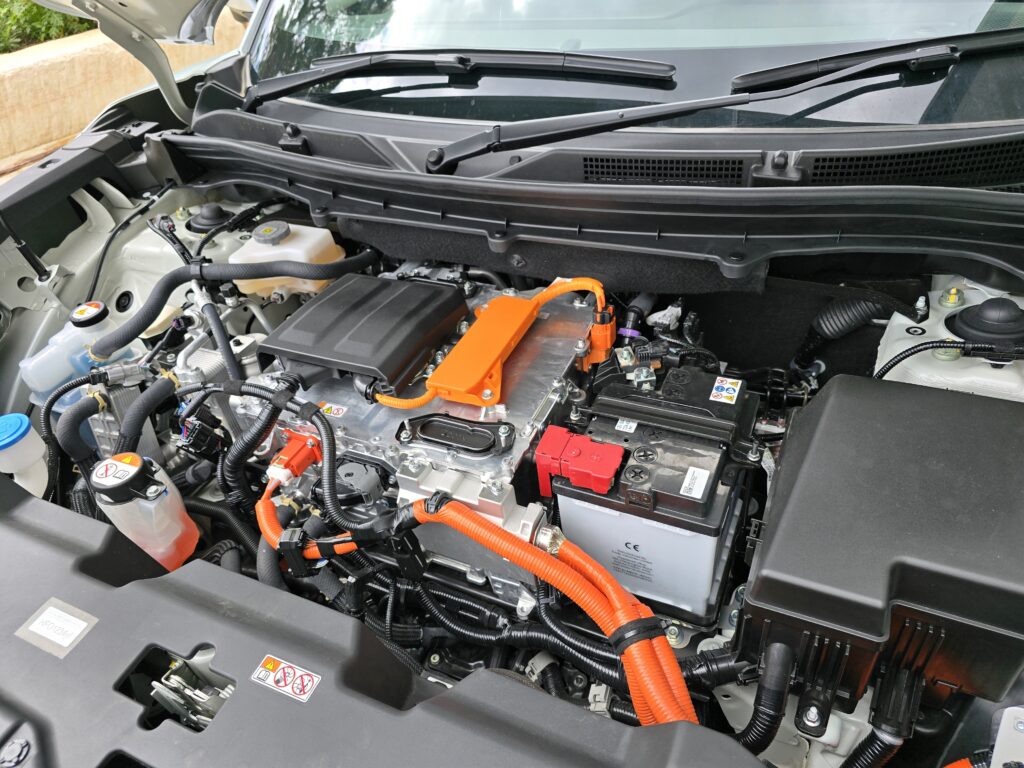
The interior is an improvement over the Vitara Hybrid, but it is not without compromise. The rugged design and analogue layout will appeal to some, yet many of the materials feel noticeably plastic‑heavy. It works from a durability point of view, but it lacks the sense of polish found in some newer competitors.
The overall presentation is also quite traditional by EV standards. Buyers drawn to large screens and futuristic cabin designs may find it looks slightly dated next to more digital rivals.
On the road, the eVitara’s weight becomes apparent over rougher surfaces. Sharper bumps can catch out the suspension, sending a firm thump through the cabin. At times, it encouraged a more cautious approach, with slower speeds needed to maintain passenger comfort.
Should I buy a 2026 Suzuku eVitara?
Price. Will. Be. Everything.
We have already seen how electric cars from established brands can struggle when pricing misses the mark, and without confirmed Australian figures it is hard to make a clear recommendation on the eVitara just yet.
If Suzuki can position it around key rivals like the Chery Omoda E5 or BYD Atto 2, or even close to Atto 3 money, the eVitara suddenly becomes far more appealing. At that point, its straightforward design and familiar driving experience could outweigh some of its weaknesses.
If pricing instead drifts closer to the UK‑converted figure of around $50,000, the picture changes quickly. At that level, the eVitara would be up against competitors offering more modern interiors, longer driving range and stronger on‑road performance. In that scenario, Suzuki’s reputation for reliability and durability would need to work hard to justify the asking price.
Leave a Reply