
- Incredible performance and decent efficiency
- Stunning interior with tons of practicality
- Still looks the part in 2026
- Poor ride quality at times
- Intrusive active safety tech
- Way too expensive
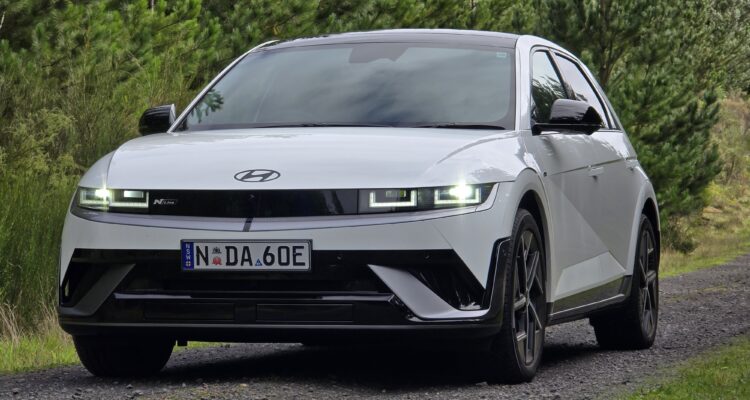
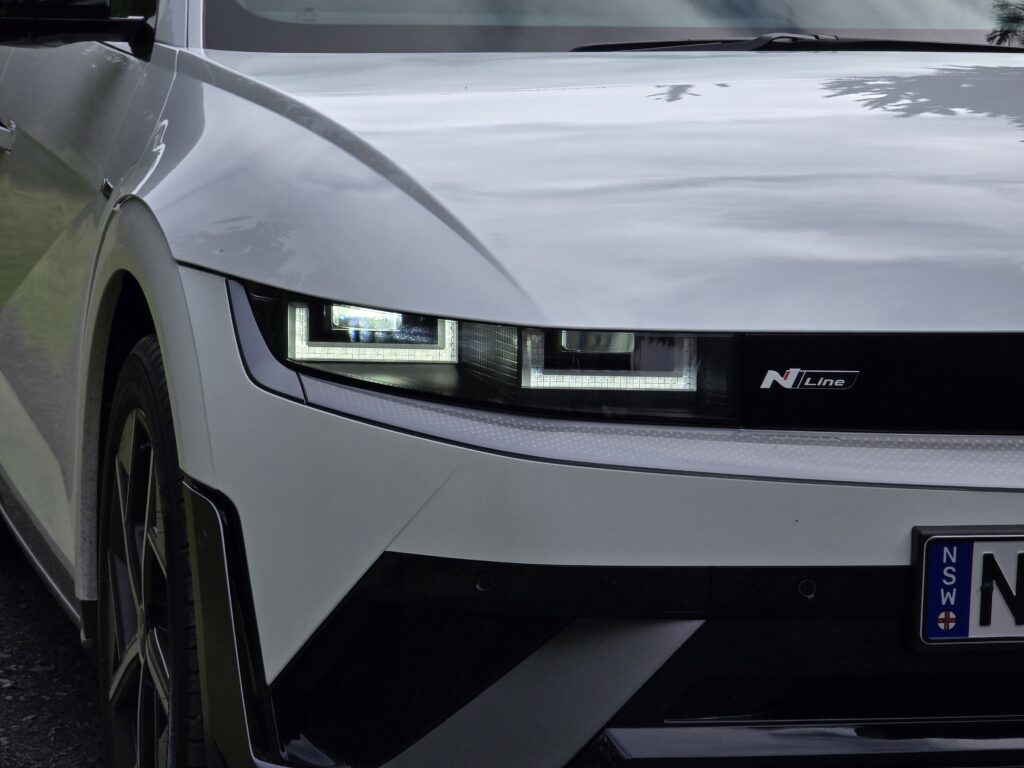
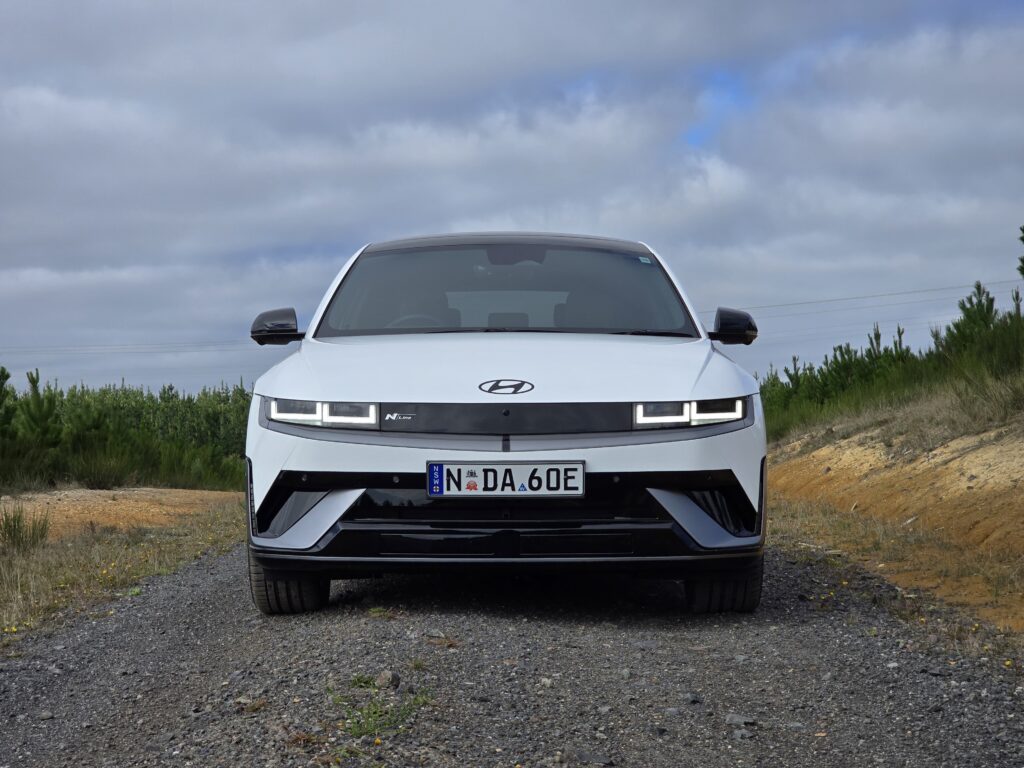
The 2026 Hyundai Ioniq 5 is Hyundai’s seasoned veteran in the EV space, and for 2026, it’s been refined with a “more is more” philosophy. Instead of offering a budget-focused entry point, Hyundai has axed the smaller 63kWh battery entirely, making the long-range 84kWh pack the standard across the now four-variant range. The line-up has been simplified, too; the Dynamiq badge has been retired for the Elite RWD, while the top-spec Epiq has been traded for this N Line Premium, which now gets the aggressive styling and all-wheel drive as standard. It’s a more focused, grown-up line-up.

In a world of rising costs, these changes come with a sting, specifically a $6400 price hike for the base model, following a $2300 increase only a year ago. This move pushes the Ioniq 5 further into the premium bracket, where it has to work harder to justify its position against a growing list of rivals. It raises the question of whether this flashy, high-spec N Line Premium is worth the hefty investment, or if the simpler, rear-drive options still represent the sweet spot for Australian buyers. So what’s the 2026 Hyundai Ioniq 5 all about?
2026 Hyundai Ioniq 5 Key Specs:
2026 Hyundai Ioniq 5 at a glance:
| Price: | $91,700 (MLP) |
| Available: | Now |
| Powertrain: | Dual permanent magnet synchronous motors |
| Output: | 239kW/605Nm |
| Transmission: | Single-speed reduction gear |
| Battery: | 84kWh lithium-ion |
| Range: | 495km (WLTP) |
| Energy consumption: | 18.1kWh/100km |
| Safety rating: | 5-star ANCAP (2021) |
2026 Hyundai Ioniq 5 Pricing and Standard Equipment
Sitting at the top of the regular Ioniq 5 tree, the N Line Premium is as close as you can get to the full-fat “N” without the supercar price tag, though at $91,700 before on-roads, it’s a serious investment. Hyundai has positioned this as a genuine premium player, which is a bold move in an electric SUV segment that is becoming increasingly crowded.
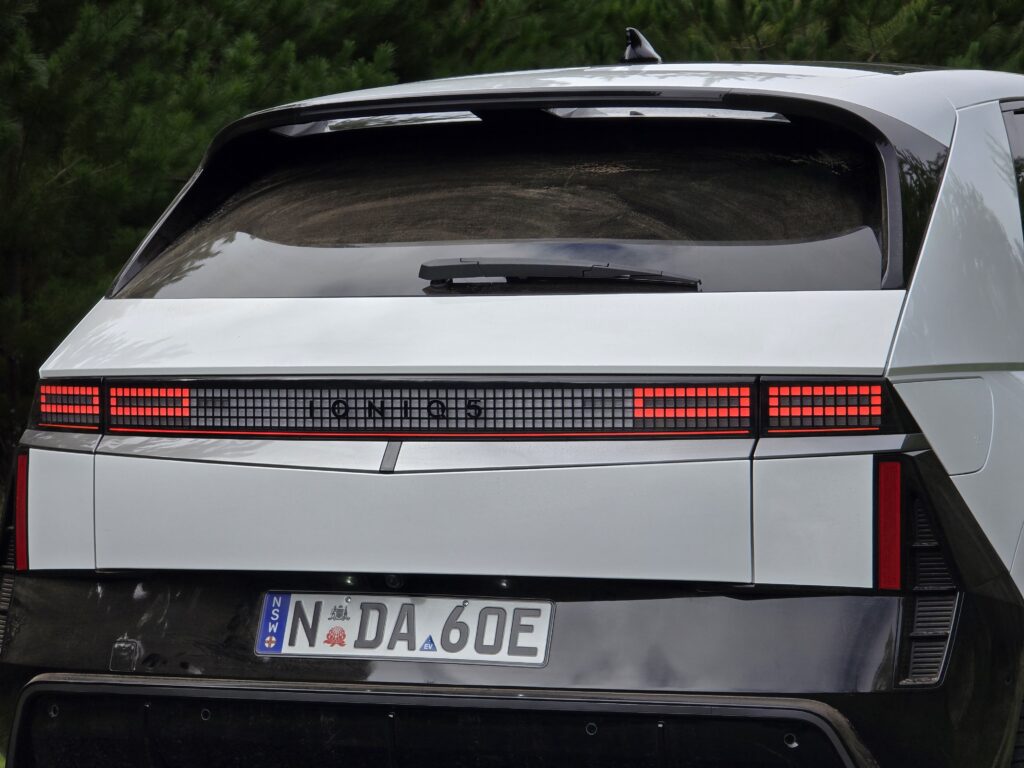
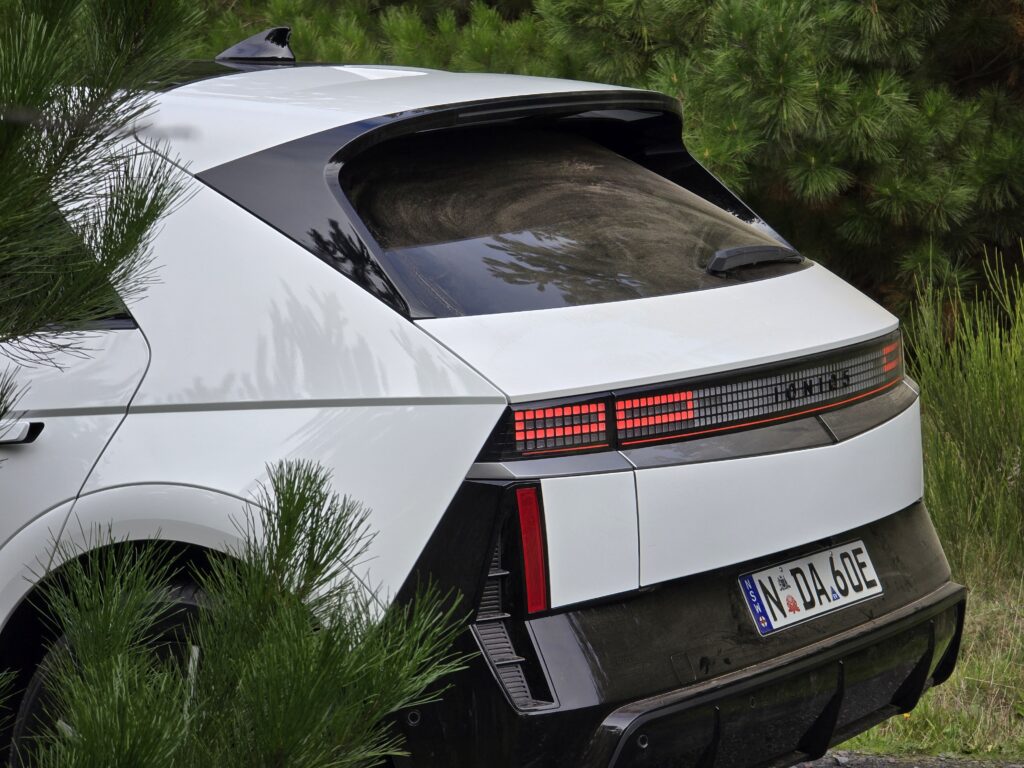
Its closest relative, the Kia EV6 GT-Line AWD, undercuts it at $87,660, but the real pressure comes from the heavy hitters in the value space. The BYD Sealion 7 Performance ($63,990) and the segment-leading Tesla Model Y Long Range ($68,900) both offer significantly more raw power for a lot less money. They might not offer the same level of interior polish or “traditional” car feel that the Hyundai nails, but that price gap is hard to ignore.

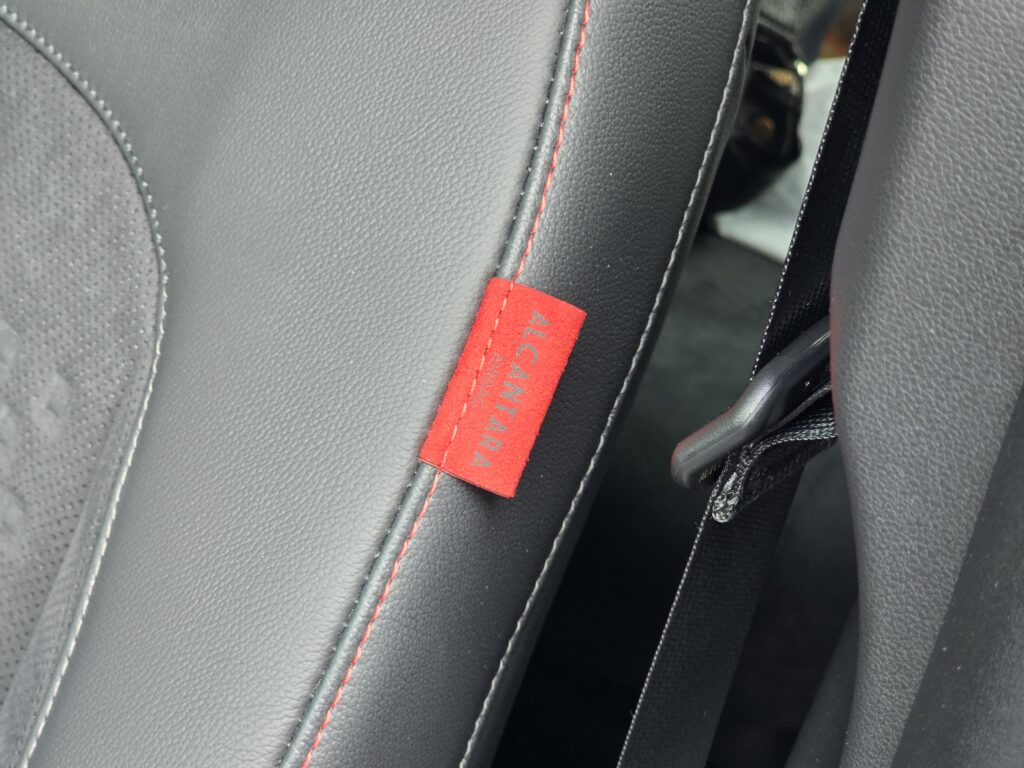
The 2026 range has been refined into four variants, and even the entry-level models are packed with the clever, functional tech that makes the Ioniq 5 such a strong daily driver, from V2L charging to the new 12.3-inch screen setup. As you climb the ladder toward the N Line, it shifts from a practical EV into a luxury tech flagship. Nice.
Hyundai Australia backs its model range with a seven-year, unlimited-kilometre warranty (if you service on time at a Hyundai dealer), and its EV batteries with an eight-year, 160,000km warranty.

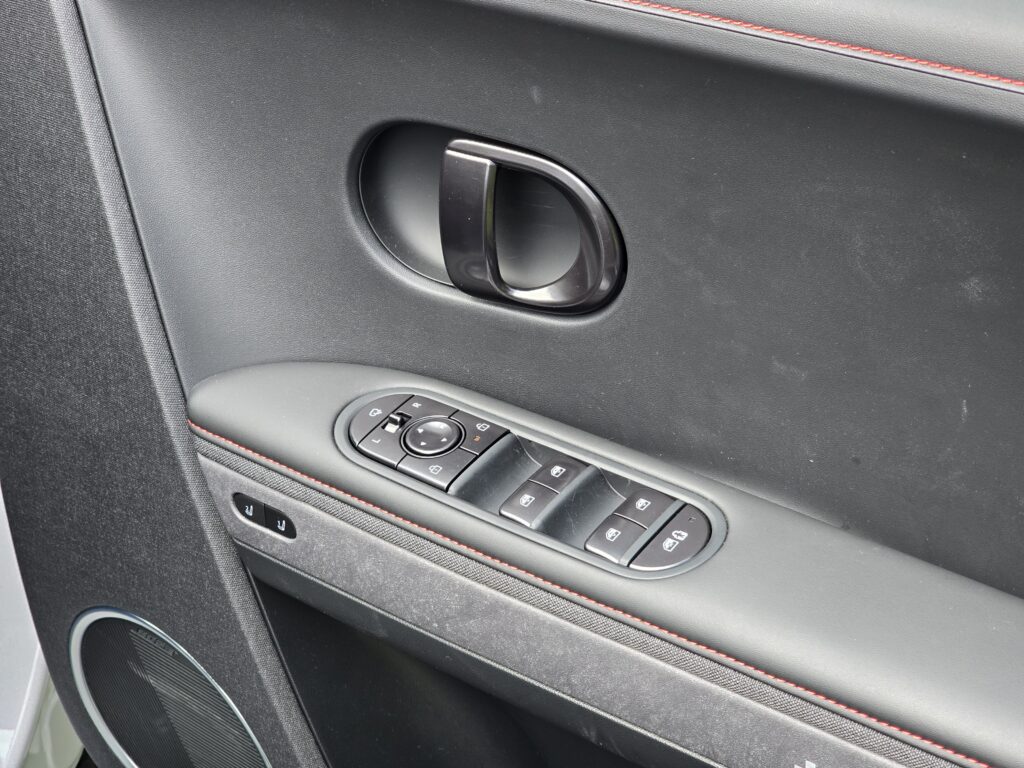
Hyundai uses rare two-year or 30,000km service intervals for the Ioniq 5. Over an eight-year period, the total maintenance cost comes to $2,712. While this is slightly more than the Kia EV6 ($2,319 for seven years), it actually undercuts the BYD Sealion 7 ($3,184 over eight years). Nice.
2026 Hyundai Ioniq 5 Equipment Highlights:
The Standard Kit (Base Model):
- Performance Tech: Heat pump, battery conditioning, and one-pedal driving mode.
- Exterior: 19-inch alloys, projector LED headlights, and acoustic laminated glass for a quieter cabin.
- Interior: Dual 12.3-inch displays, wireless Apple CarPlay/Android Auto, and eco-processed leather/wool upholstery.
- Utility: Vehicle-to-Load (V2L) inside, remote smart parking, and a power driver’s seat.
Moving up to the Ioniq 5 Elite adds:
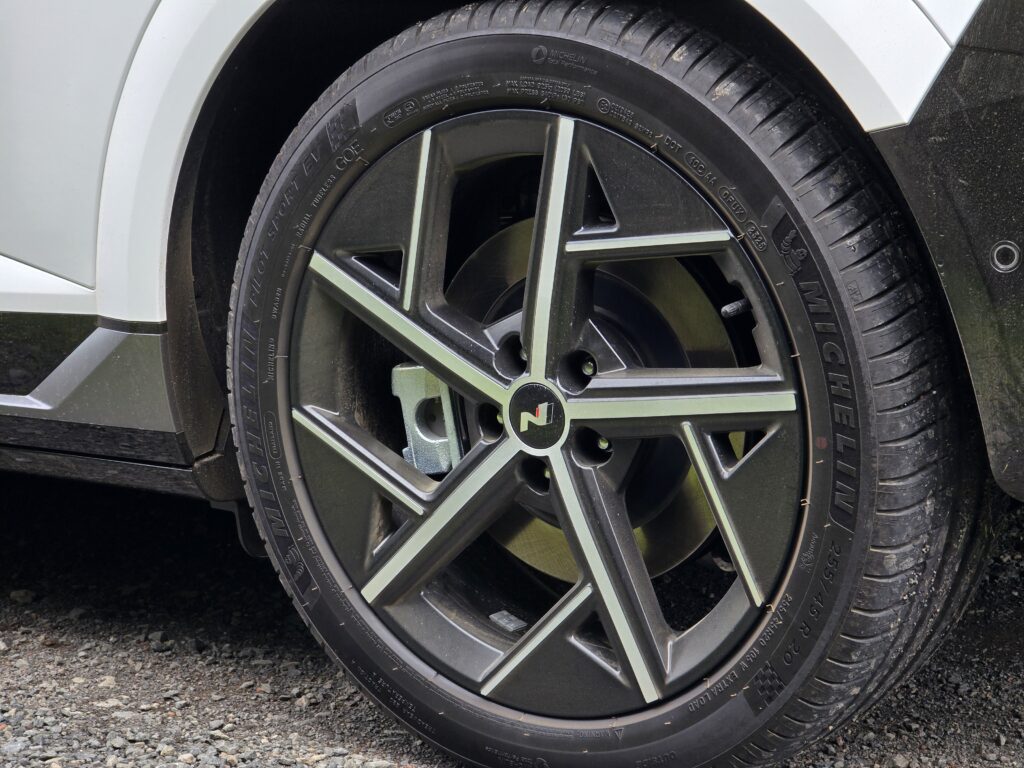
- Wheels: Larger 20-inch alloys with Michelin Pilot Sport EV tyres.
- Luxury: Bose 8-speaker sound system, Head-up Display, and a sliding centre console.
- Comfort: Heated front seats, power passenger seat, and a hands-free power tailgate.
The flagship N Line Premium adds:
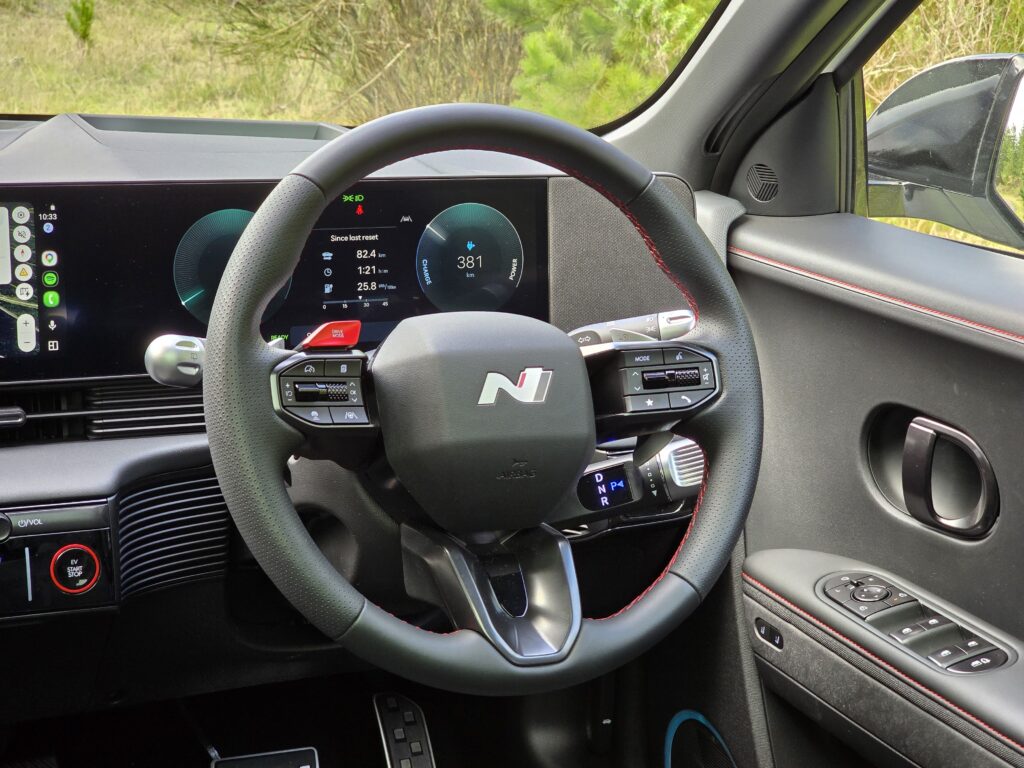
- Tech: Intelligent Front Lighting (Matrix LED) and a heated N Line steering wheel.
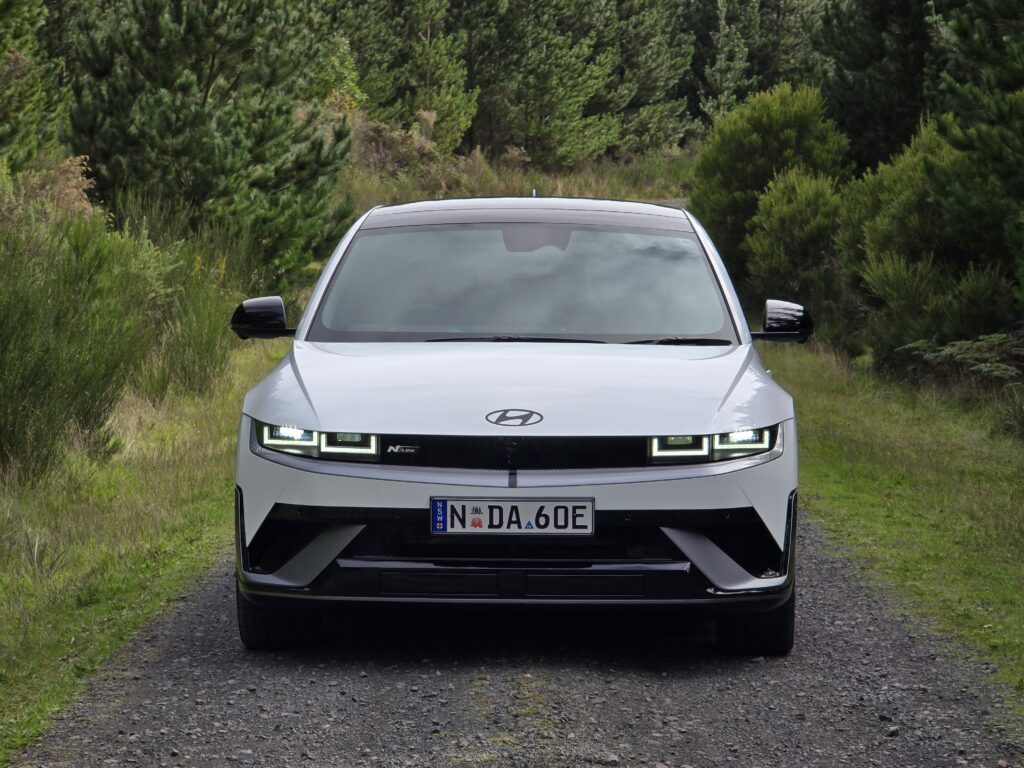
- N Line Aesthetics: Exclusive bumpers, 20-inch N Line wheels, and body-coloured cladding.
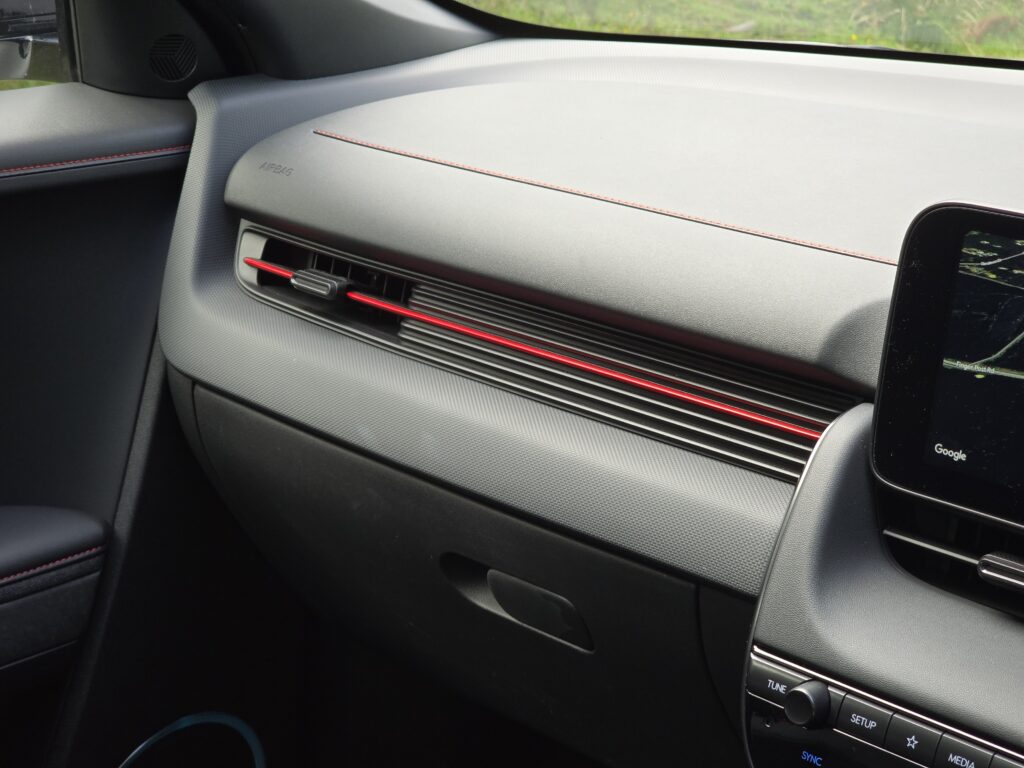
- Cabin Upgrades: Suede and leather upholstery, red stitching, and a fixed “Vision Roof” glass ceiling.
- Maximum Comfort: “Relaxation” front seats (ventilated), heated rear seats, and power-adjustable rear seating.
Standard safety equipment includes:
- Tyre pressure monitoring
- 7 airbags, incl:
- Front
- Front centre
- Side
- Side curtain
- Adaptive cruise control with stop/go
- Autonomous emergency braking
- Pedestrian, cyclist and vehicle detection
- Junction turning and crossing assist
- Lane change oncoming and side assist
- Evasive steering assist
- Blind-spot assist
- Blind-Spot View Monitor
- Driver attention warning
- Front and rear parking sensors
- Highway Driving Assist 2
- Intelligent Speed Limit Assist
- Lane Following Assist (lane centring)
- Lane-keep assist
- Leading vehicle departure alert
- Rear cross-traffic assist
- Rear occupant alert
- Safe exit assist
- Surround-view camera
What’s good about the Hyundai Ioniq 5?
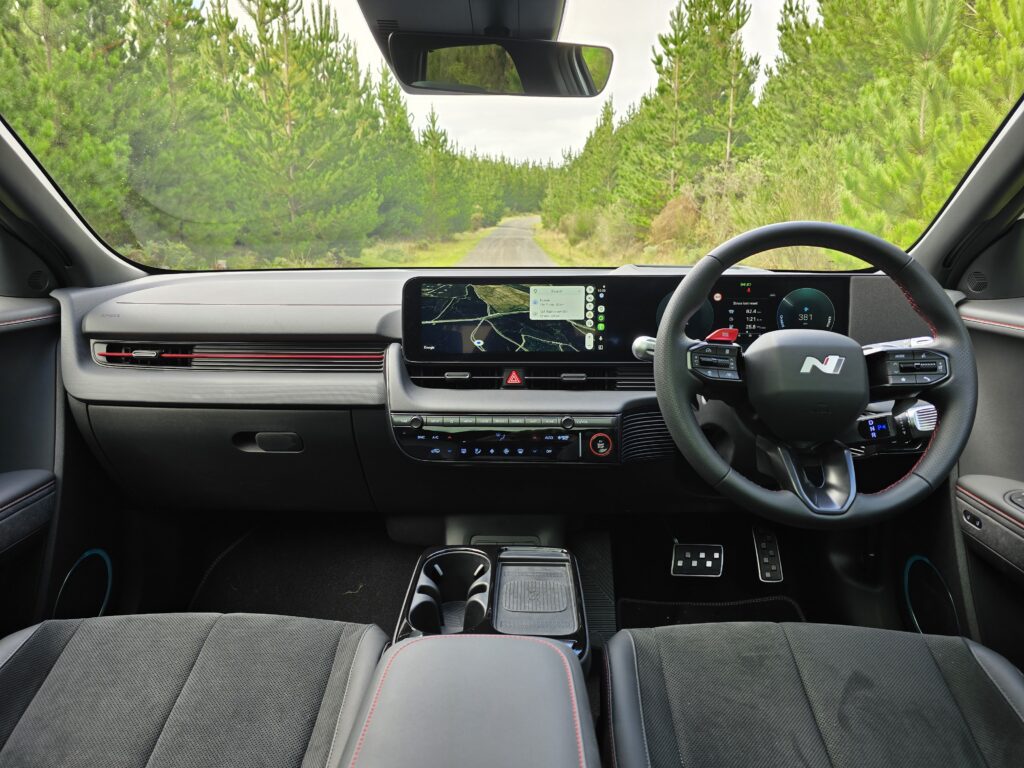
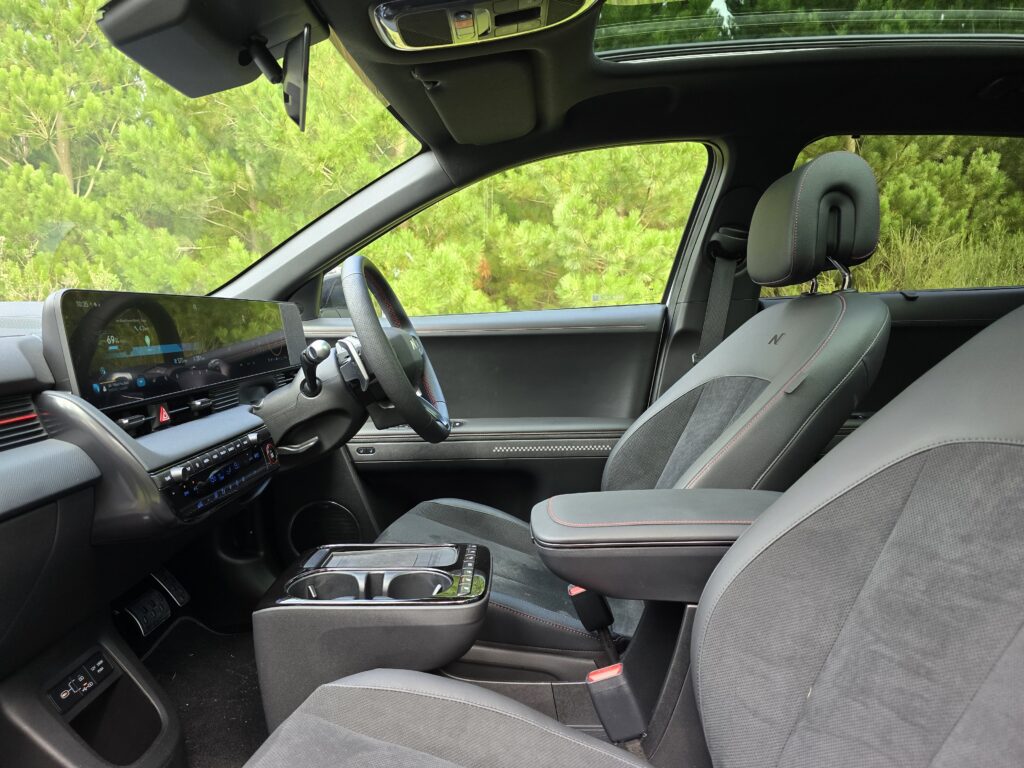
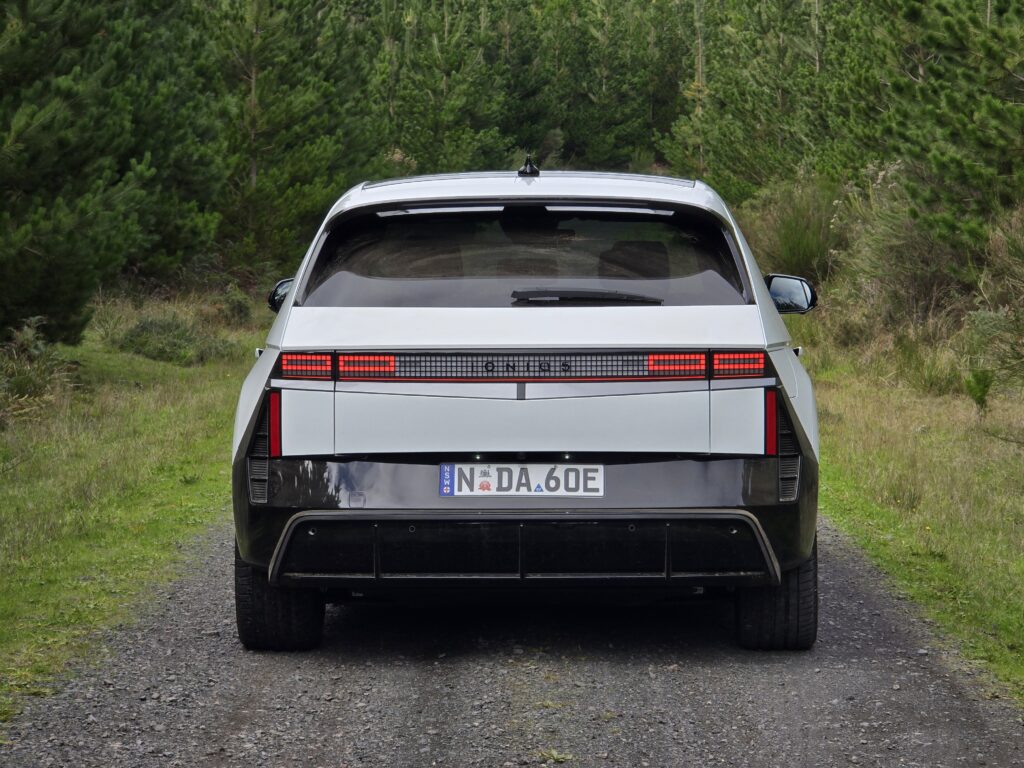
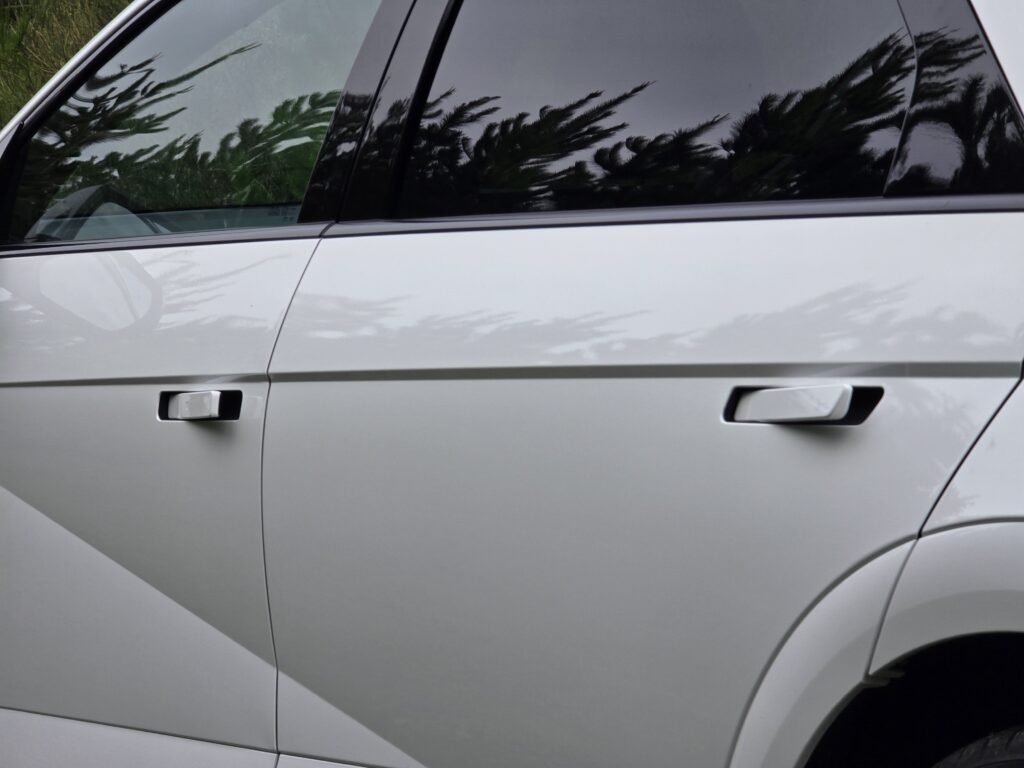
The Ioniq 5 has always been a bit of a visual trickster. In photos, it looks like a sharp, retro-styled hatchback, but in the metal, it’s a much more substantial beast. Standing next to it, the proportions feel almost magnified, giving it quite the presence. The upside to that “big hatch” footprint is a cabin that feels remarkably open and airy. With the ‘floating’ centre console and a completely flat floor, there’s a sense of space you just don’t get in a traditional SUV. As a driver, you feel more like you’re piloting a lounge than a cockpit, which won’t suit everyone, but it certainly feels premium, with incredibly high-quality materials throughout, and stunning lighting and graphics throughout.

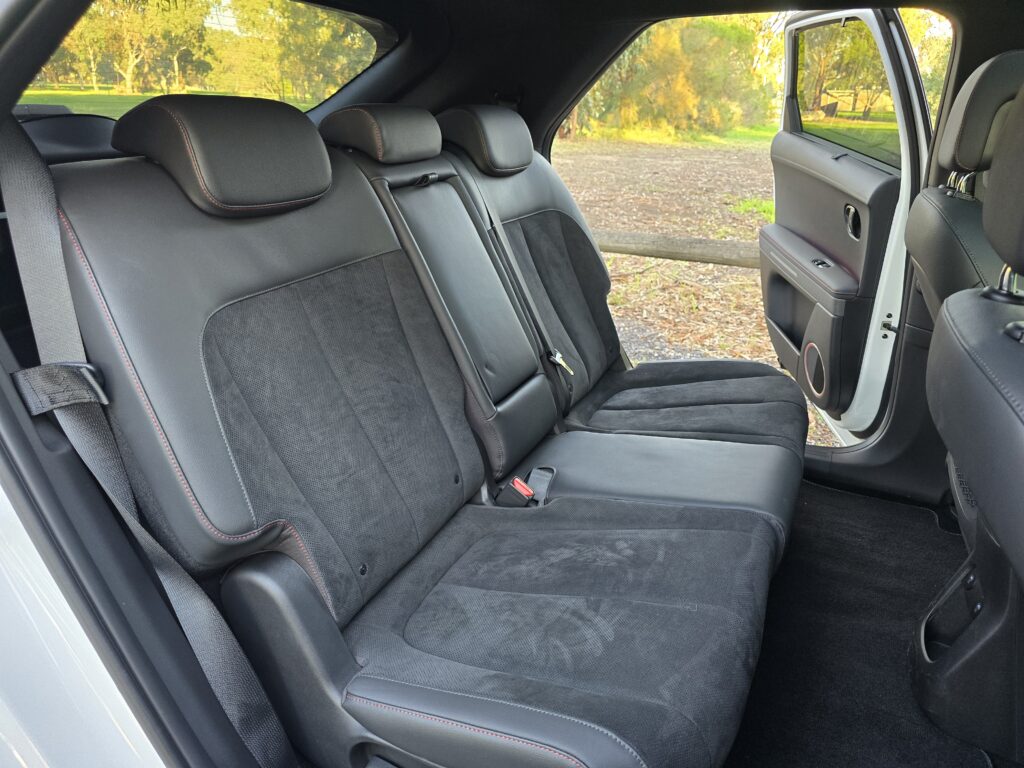
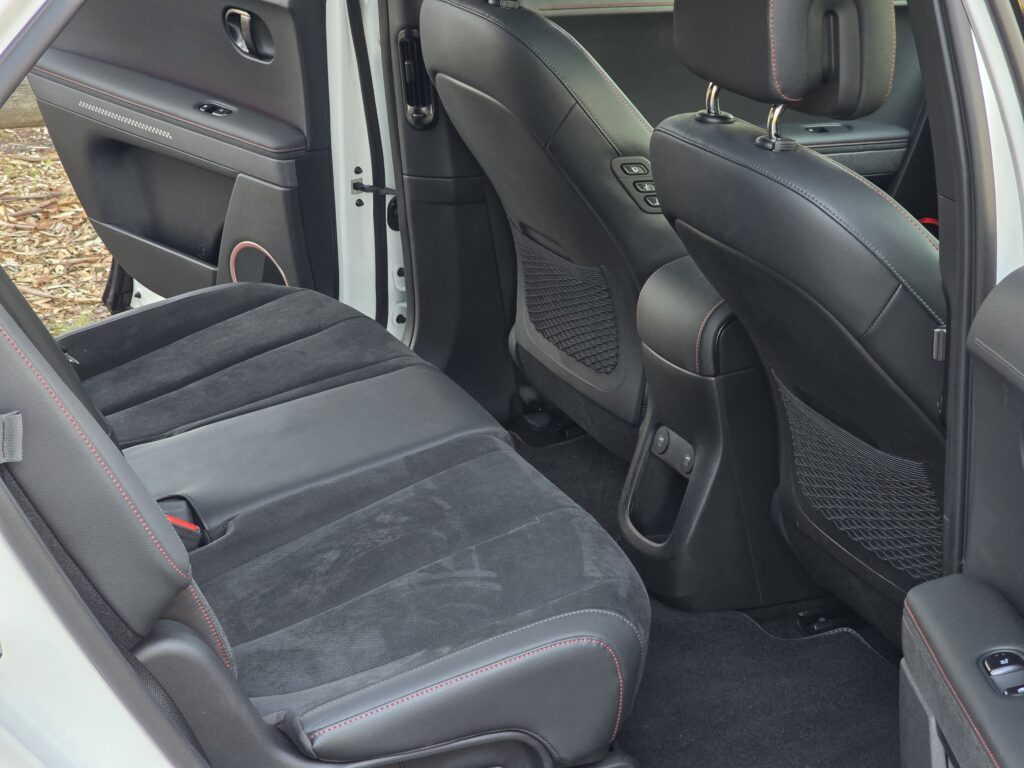
The steering wheel is chunky and tactile, and while the ‘N’ branding on the seats and horn pad feels a bit over the top for a non-performance car, the suede and leather pews are genuinely comfortable. You get the usual dual 12.3-inch screens which are sharp and responsive, though the round steering wheel does a great job of cutting off the corners of the square instrument cluster. It’s a neater look than most “tablet-on-dash” setups, but it’s not without its ergonomic quirks, like the USB-C ports being a literal stretch to reach from the driver’s seat.
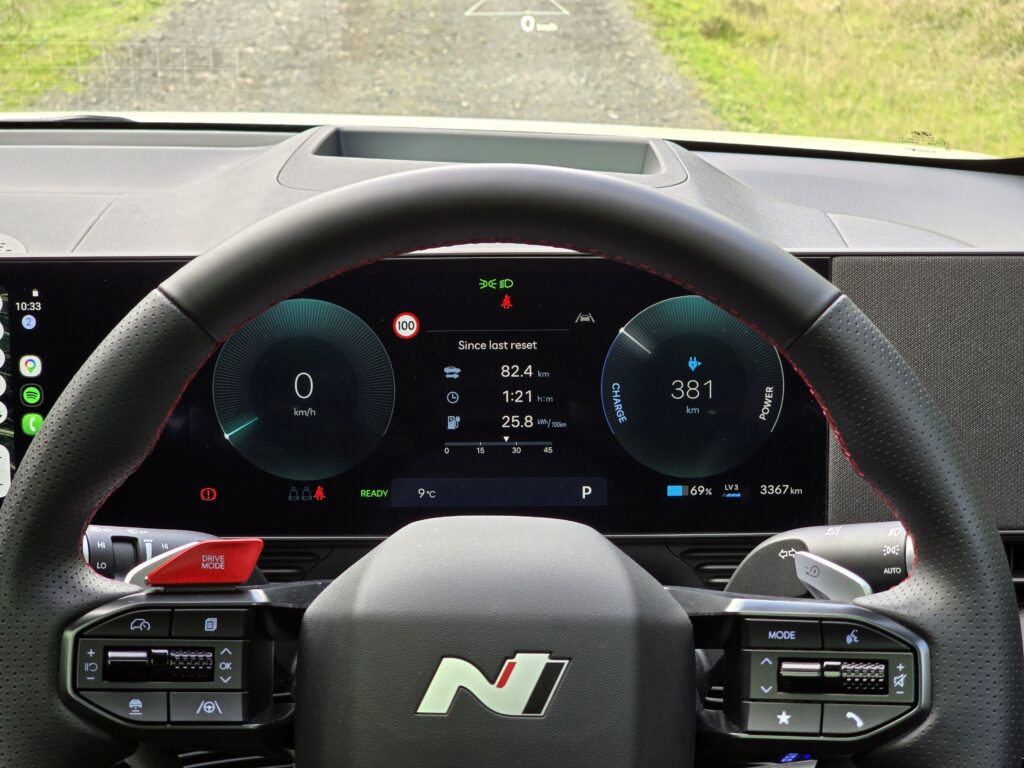
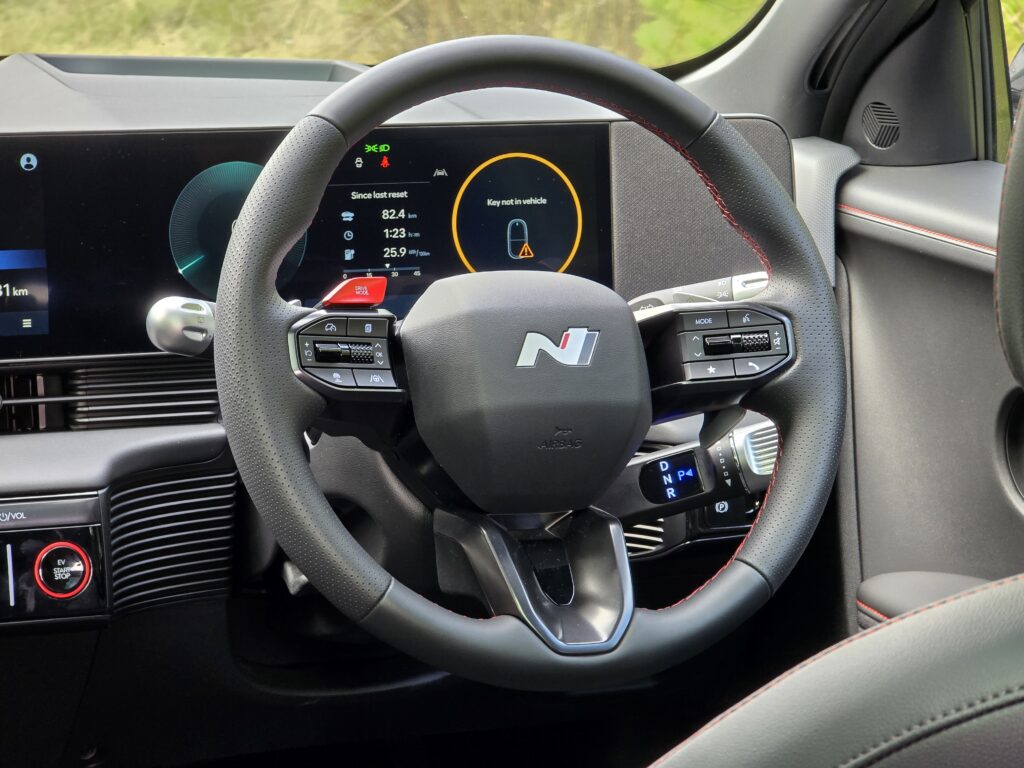
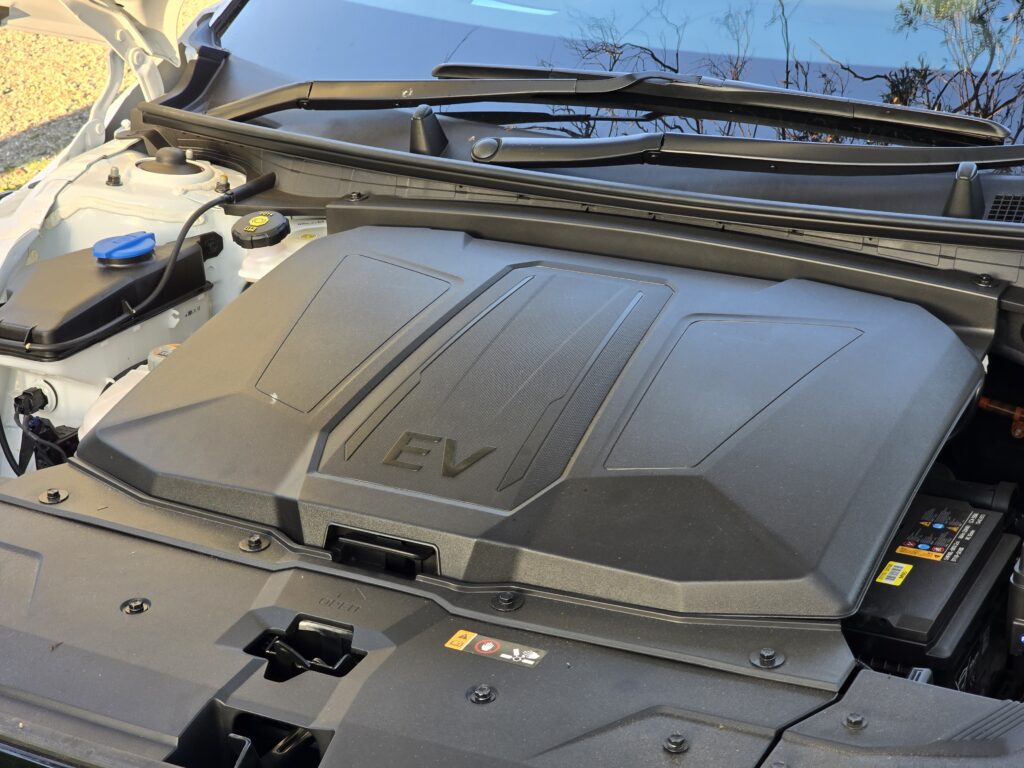
On the road, the Ioniq 5 is rather decent, especially following its chassis focussed updates which came in with this facelifted version. It’s quiet, refined, and bloody quick, too. No matter the speed, or situation, the thrust from the dual electric motors is addictive, and the adjustable regenerative braking (via steering wheel paddles) is among the best in the business. Charging speeds are lightning fast (sorry we had to), thanks to Hyundai e-GMP’s 800V architecture and overall efficiency, even on freeways where we barely saw consumption rise above 20kW/h per 100km is solid as well.
What’s not so good about the 2026 Hyundai Ioniq 5?
Put simply, there’s no hiding the Ioniq 5’s 2.2-tonne weight. It feels heavy, and the suspension often feels like it’s working overtime to keep that mass in check, occasionally bucking over sharp Australian road imperfections and it never quite feels like the nimble hatchback the styling promises. Direction changes are initially met with enthusiasm thanks to the fast steering, and while the incredibly grippy Michelin tyres hold on exceptionally well, there’s no escaping the Ioniq 5’s sheer interia.
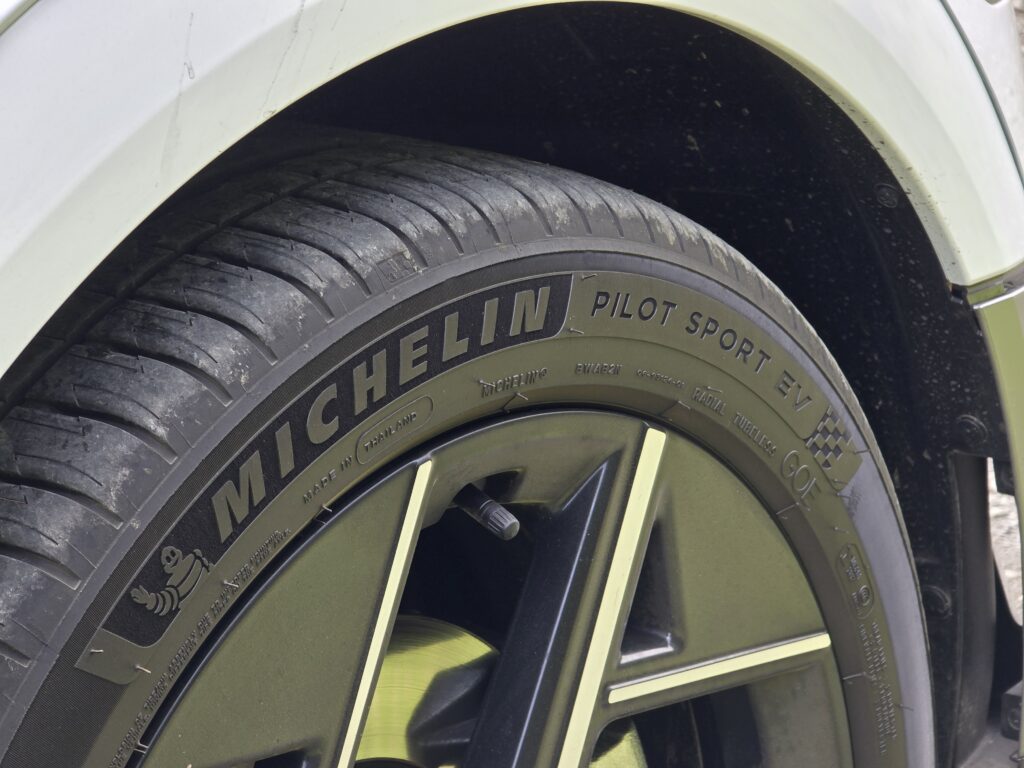

Then there’s the tech. While we love the shortcut to mute the speed-limit chimes, the lane-keeping system can be downright aggressive, occasionally jerking the wheel on roads with faint markings. It’s a solid, high-tech EV that does a lot of things right, but after a week behind the wheel, you’re left wondering if the tech is more of a nuisance than something genuinely helpful.

Lastly, there’s the price tag, which is quite simply, eye-watering. Rivals can be bought for considerable less funds, and while the Ioniq 5 is a polished beast, Hyundai’s price increases will only harm future sales values further.
Should I buy a Hyundai Ioniq 5?
The Ioniq 5 remains a standout electric car, but the N Line Premium feels like it is searching for an identity that isn’t quite there.
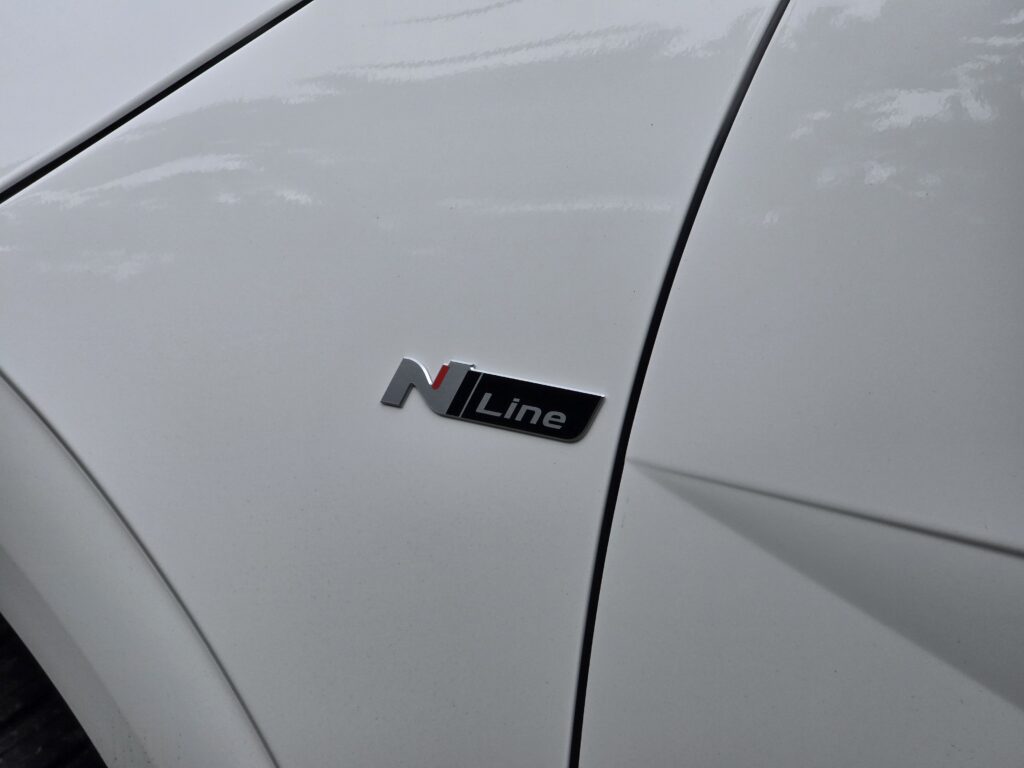
The standard models in the range are clear about their mission. They offer a stylish and practical daily driver with decent range. On the other end of the scale, the full-blown Ioniq 5 N is a legitimate performance benchmark. This N Line sits awkwardly in the middle. It wears a sporty suit, but it lacks the athletic substance to back it up. It still feels heavy on the road, its range is shorter than the simpler rear-drive models, and the N branding throughout the cabin feels like it is trying a bit too hard.
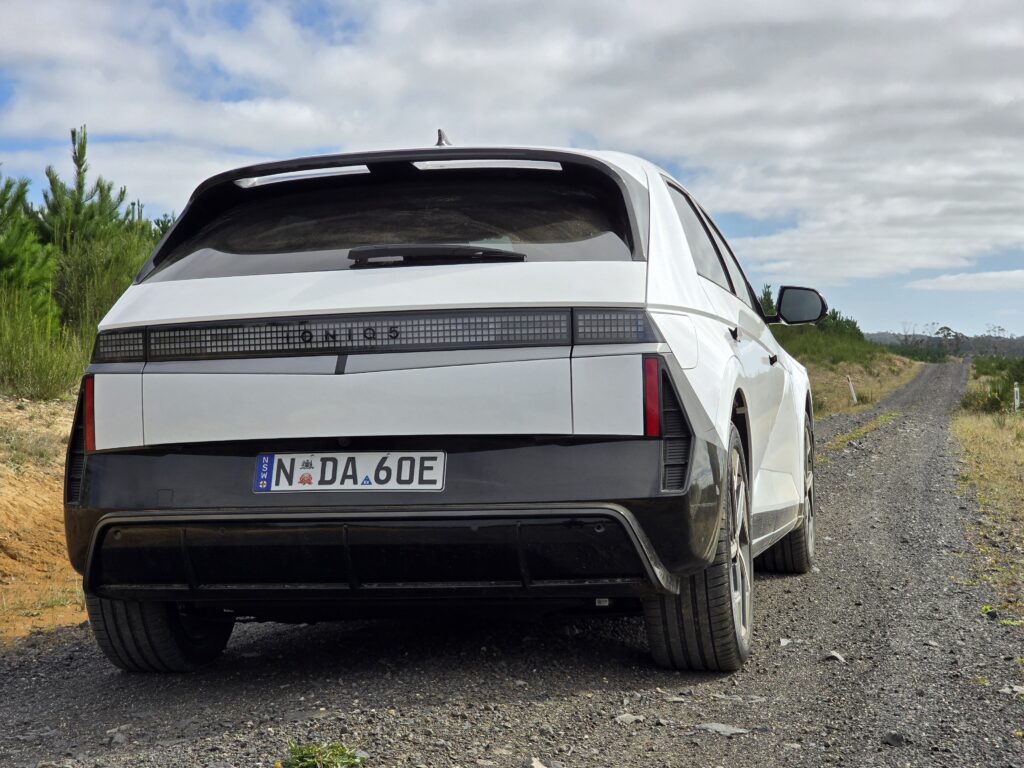
Then there is the price. At over $90,000 before on-road costs, it is a big ask. This is especially true when the related Kia EV6 feels a bit more mature behind the wheel, and the influx of Chinese rivals like the Sealion 7 make the premium tax harder to justify.
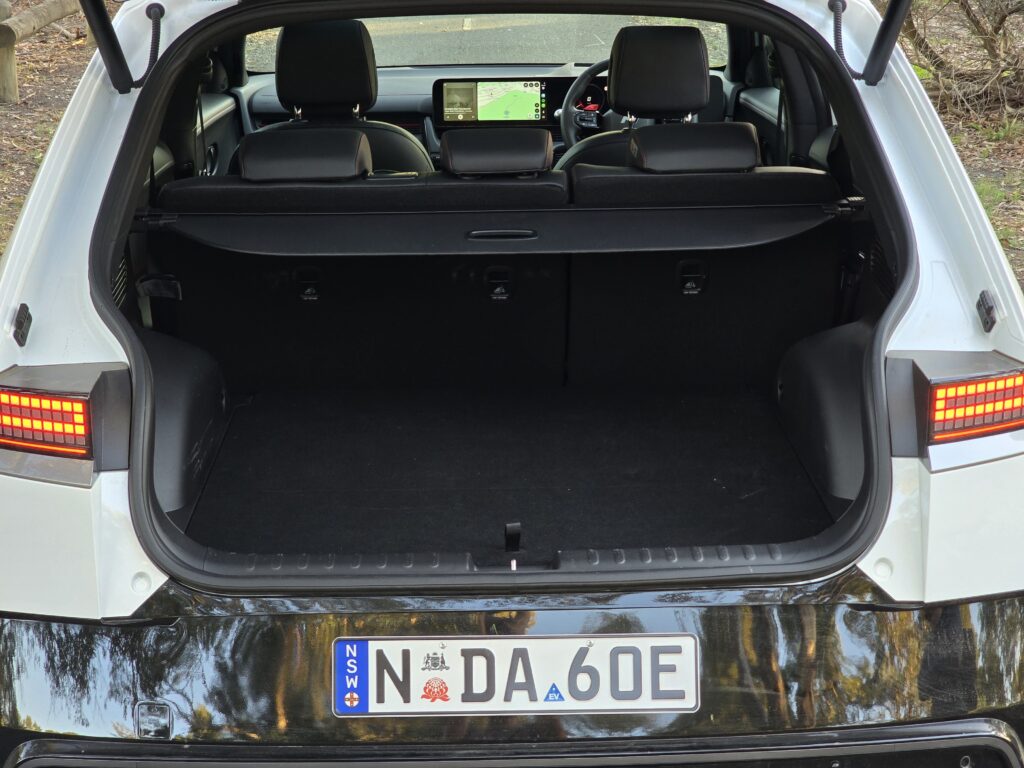
However, there is still plenty to like here. The cabin is genuinely comfortable, the build quality is top-notch, and it is a very practical space for a family. Most importantly, it feels like a normal car rather than a confusing rolling tech experiment.


Ultimately, the Ioniq 5 is a great piece of kit, but this specific variant is a tough sell. Unless you are truly sold on the N-inspired styling, you will find much better value and a more settled driving experience by sticking with the more affordable, rear-wheel-drive options. Win-win!
Leave a Reply